How AI Search Engines Decide What to Cite
When an AI engine generates an answer, it makes a specific choice: paraphrase silently or cite a source. Here's what tips that decision toward citing you.
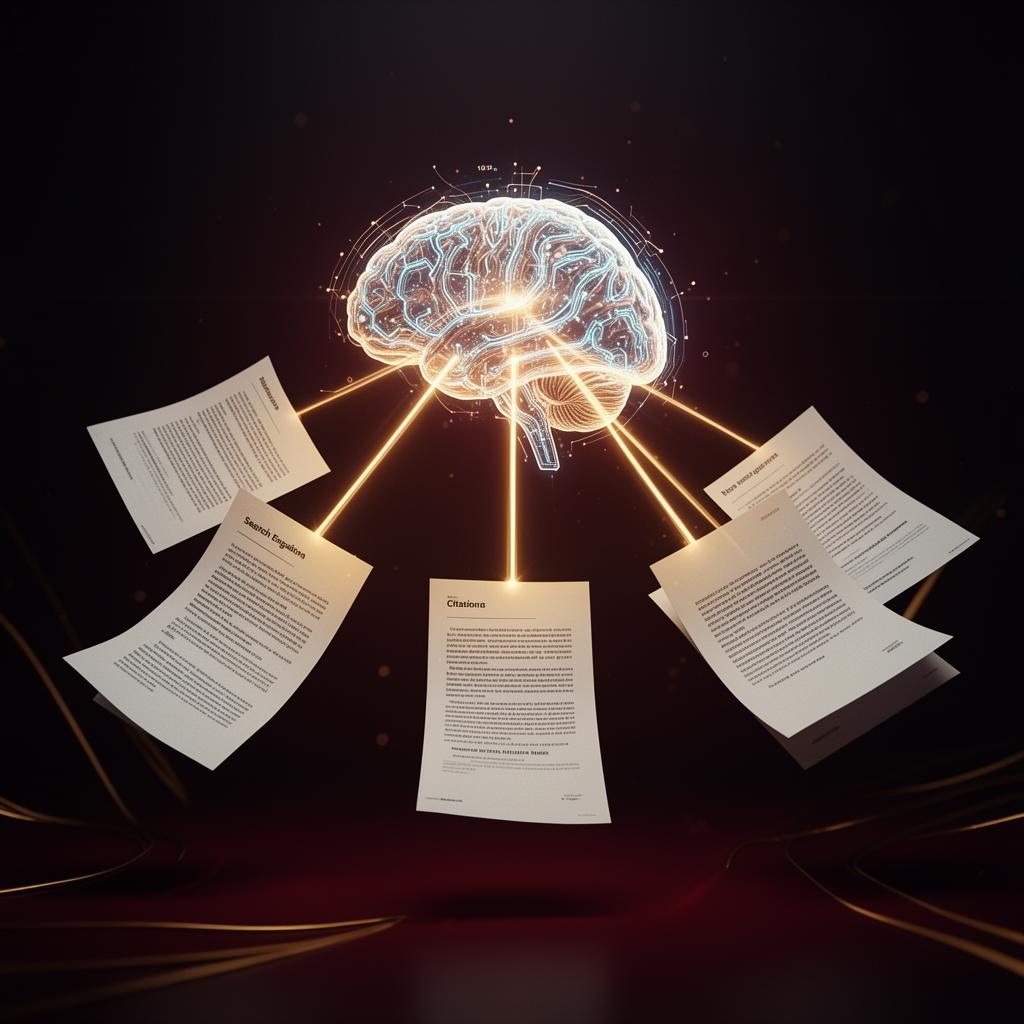
AI search engines decide to cite a source when (1) the source provides a specific, verifiable claim the model can't generate from training data, (2) the source is structured so the citation maps cleanly to a passage, and (3) the source carries enough trust signals — domain authority, entity clarity, schema — to be safely attributed. Generic content gets paraphrased without credit.
The two-step decision
When an AI engine produces an answer, it runs roughly this logic:
Your goal: be the source that wins step two — and ideally, write content that *forces* step one to happen.
What earns the citation
Specificity
A page that says "retargeting click-through rates average 0.7% across industries in 2026" gets cited. A page that says "retargeting works well" gets paraphrased silently. Specific numbers, dates, named entities, and proprietary data are citation magnets.
Passage-level clarity
AI engines cite the passage, not the whole page. If your direct-answer paragraph cleanly states the claim in 40–60 words, the engine can confidently attribute it. If the answer is buried in a wall of prose, the engine paraphrases instead.
Schema and structured data
Article, FAQPage, HowTo, and Product schema give engines explicit signals about what each section is. Pages with clean schema are cited disproportionately often.
Entity authority
The engine asks: "Is this source recognized as authoritative on this topic?" That recognition comes from consistent cross-web presence — Wikipedia mentions, industry citations, branded search volume, schema sameAs links.
Freshness (when relevant)
For time-sensitive topics, recently updated pages beat older ones even at lower domain authority. The dateModified field matters.
What gets you paraphrased without credit
A practical citation-engineering checklist
The bigger picture
Getting cited isn't luck — it's engineered. Every choice from page structure to schema to brand consistency tips the citation decision toward you or away from you. For the foundational ranking side of this, see How AI Answer Engines Rank Sources. For the engine-by-engine breakdown, see ChatGPT vs Perplexity vs Google AI Overviews.
Traffic9 Media's AISEO service systematically implements every item on the checklist above — and tracks the citation lift weekly.
AI Marketing Specialists
35+ years of experience in digital marketing and advertising. Read full bio →